
Applications
Polytunnels & glasshouses
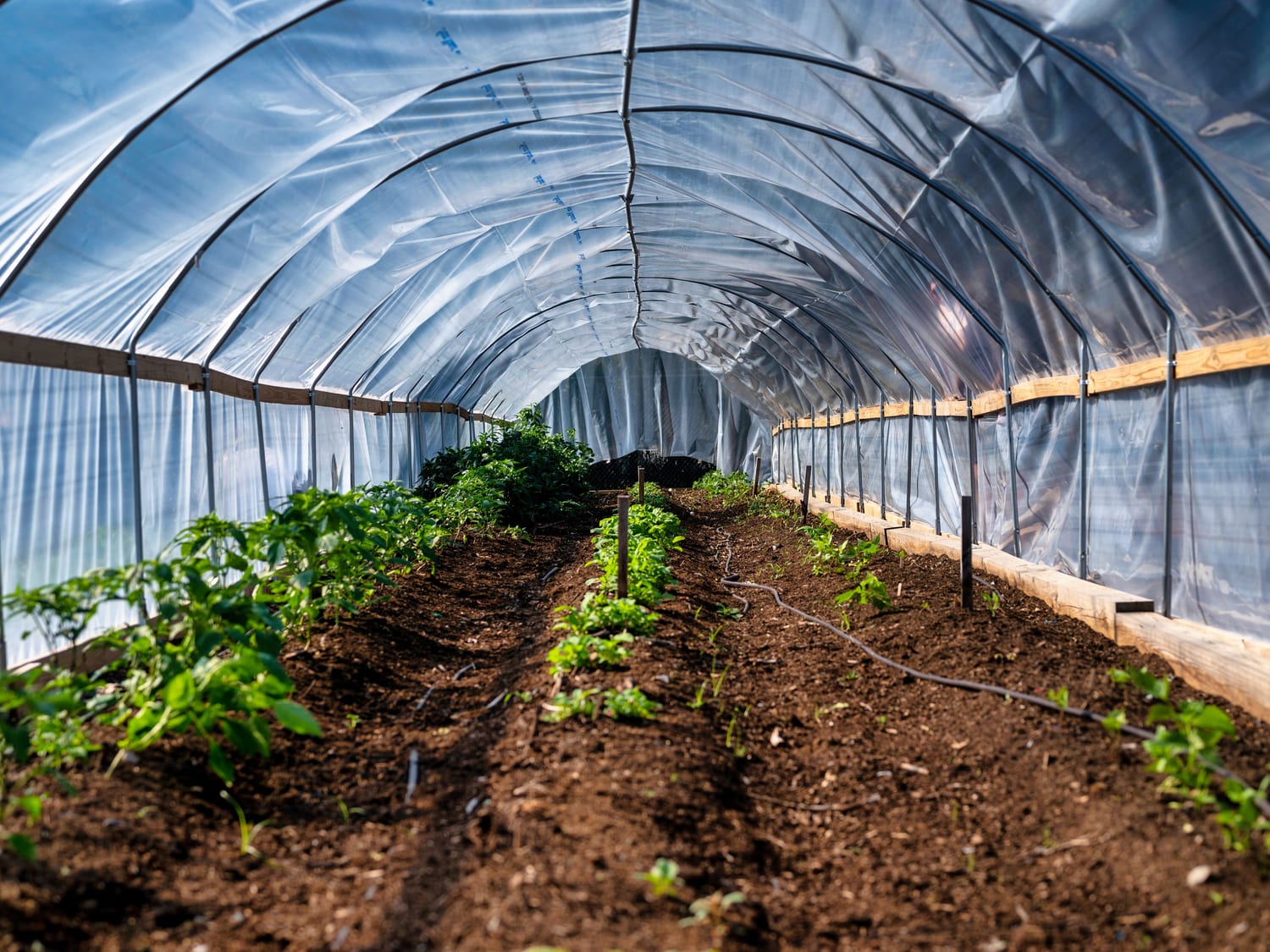
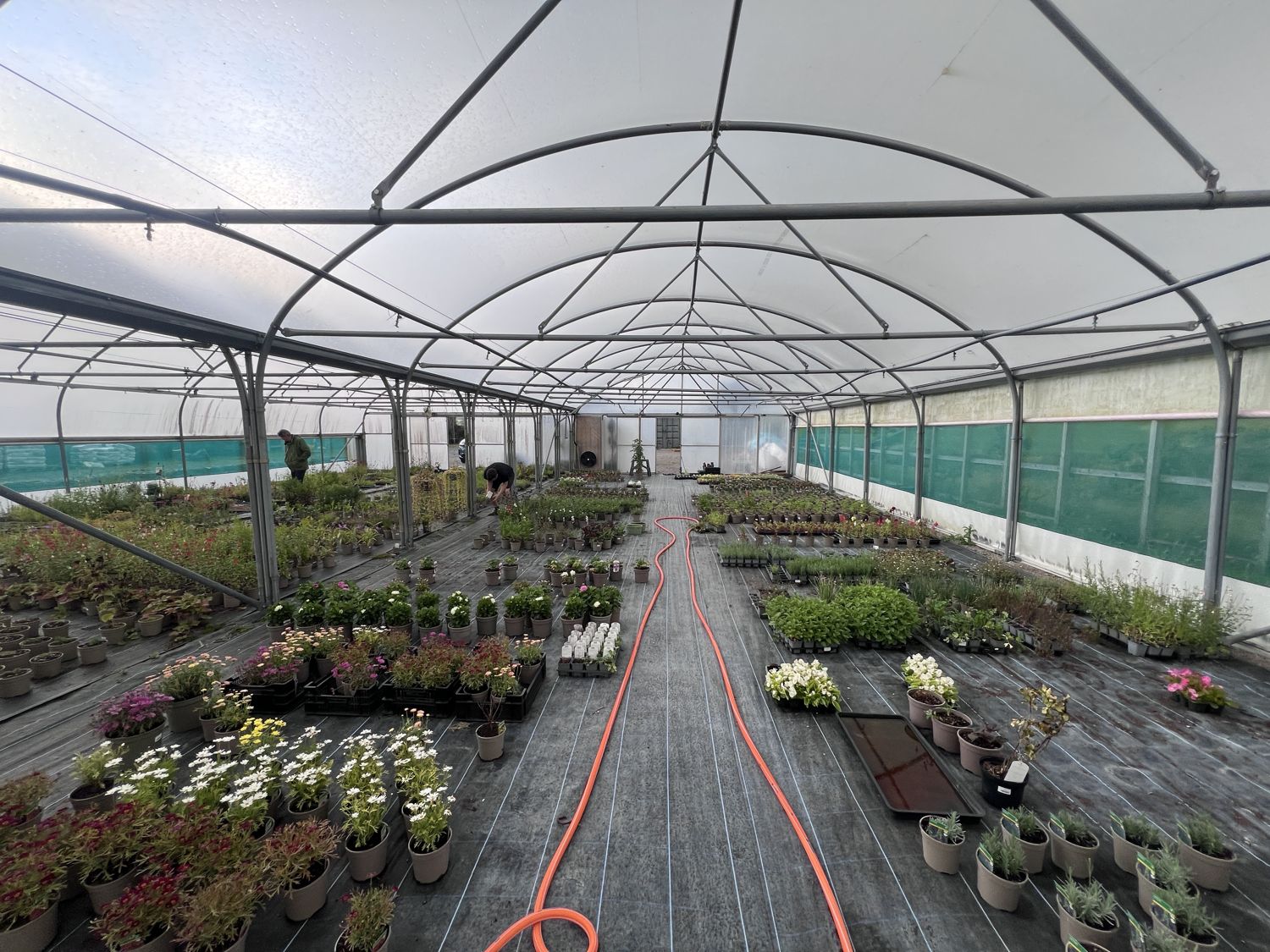
Work under cover is the job mechanisation usually skips. A petrol two-wheel tractor is the right width for a tunnel and the wrong machine to run inside one: the exhaust has nowhere to go, so the tunnel has to be opened up, or the work is done by hand, or it waits for a dry day when the sides can come off.
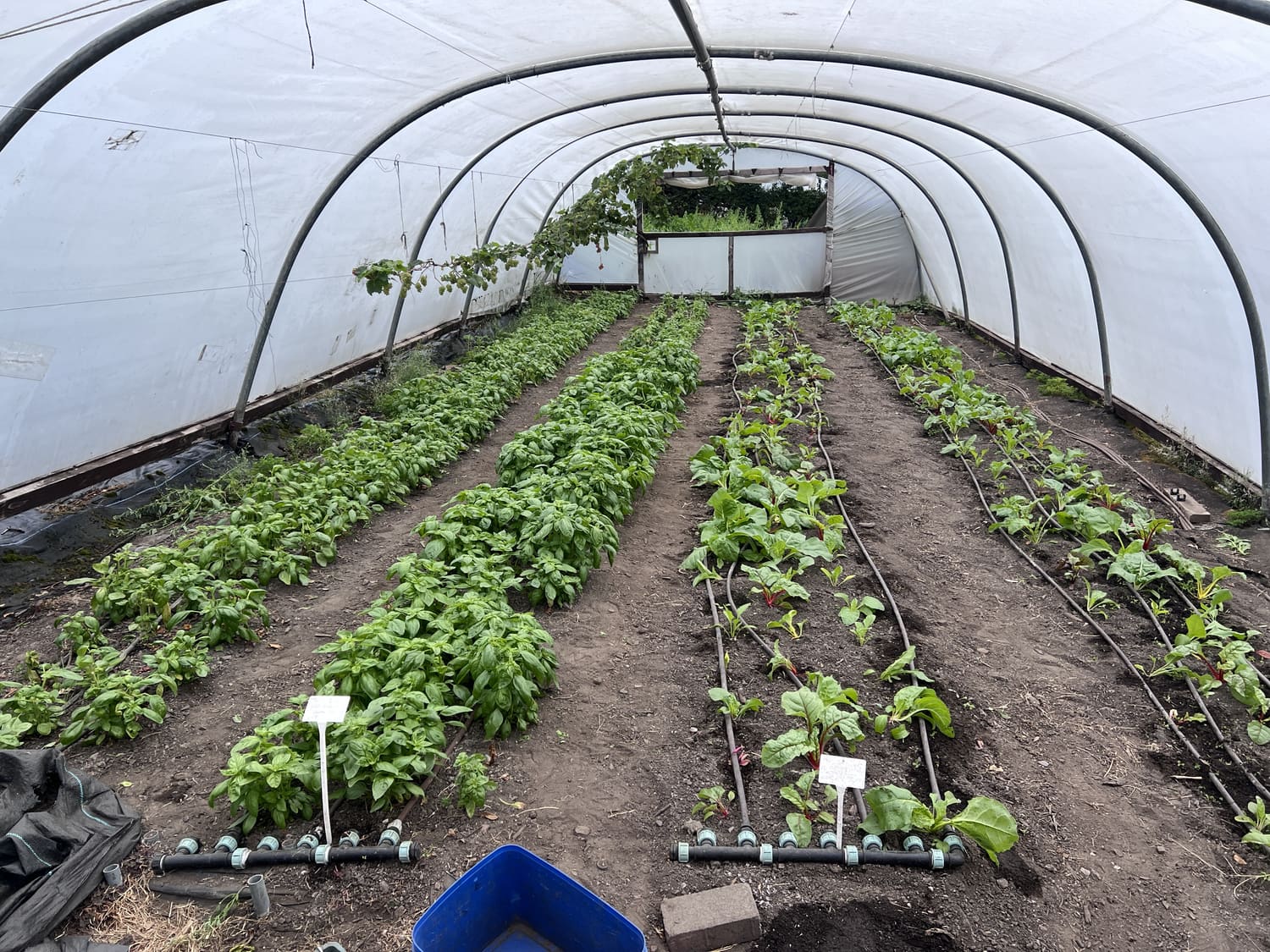
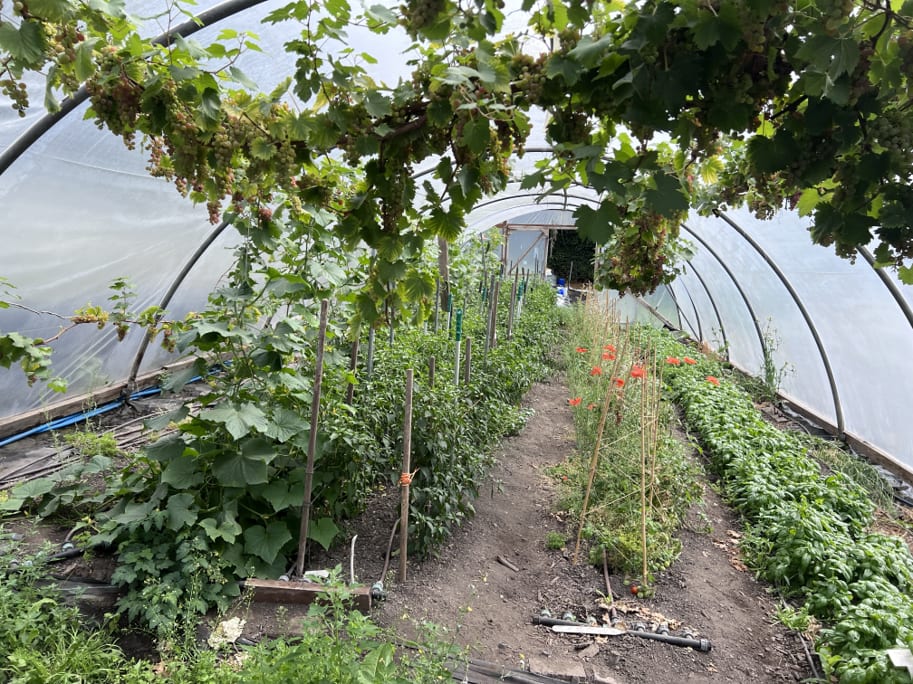
An electric drive removes the question. The AFT-e1 is 0.75 m across the handlebars and 0.68 m on the track, so it fits the bed layouts tunnels are actually built to, and it can be run with the doors shut in February.
The same machine goes back outside afterwards. That matters more than it sounds: a tunnel-only machine is one that has to earn its keep from a few weeks of the year.
Depth comes from the tool
Rotavator68 / 80 cm width · 20–25 cm depth · seedbeds and green waste
Power ridger40 cm width · 30 cm depth · bed forming
Rear tine cultivatorThree tines · surface work between crops
TrailerCompost, trays and crop, in and out without a barrow
Against the alternatives
Hand toolsNo fumes, and no help with the weight or the hours.
Petrol two-wheel tractorRight width, wrong exhaust. Not usable with the tunnel shut.
AFT-e1Right width, no exhaust, and it works outside the rest of the year.
What you need for this job
An Aftrak AFT-e1 and a rotavator. 8 kW, 5.2 kWh, 0.75 m wide at the handlebars.
View the Aftrak AFT-e1See the rotavator