
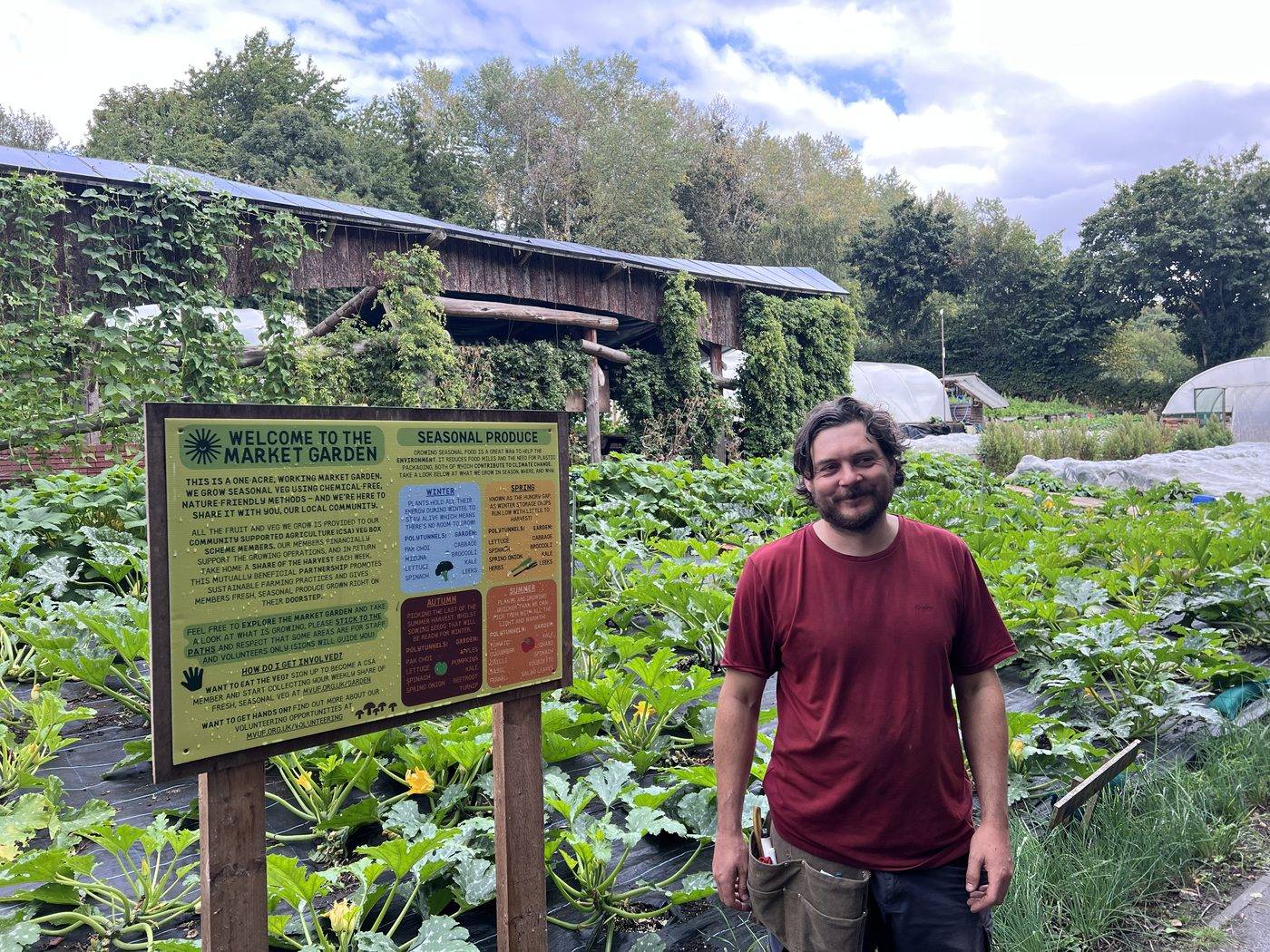
Meanwood Valley Urban Farm
An inner-city charity farm growing for a hundred and thirty households on eight tenths of an acre, entirely by hand — and with more than half its market garden ground still waiting.
Who they are
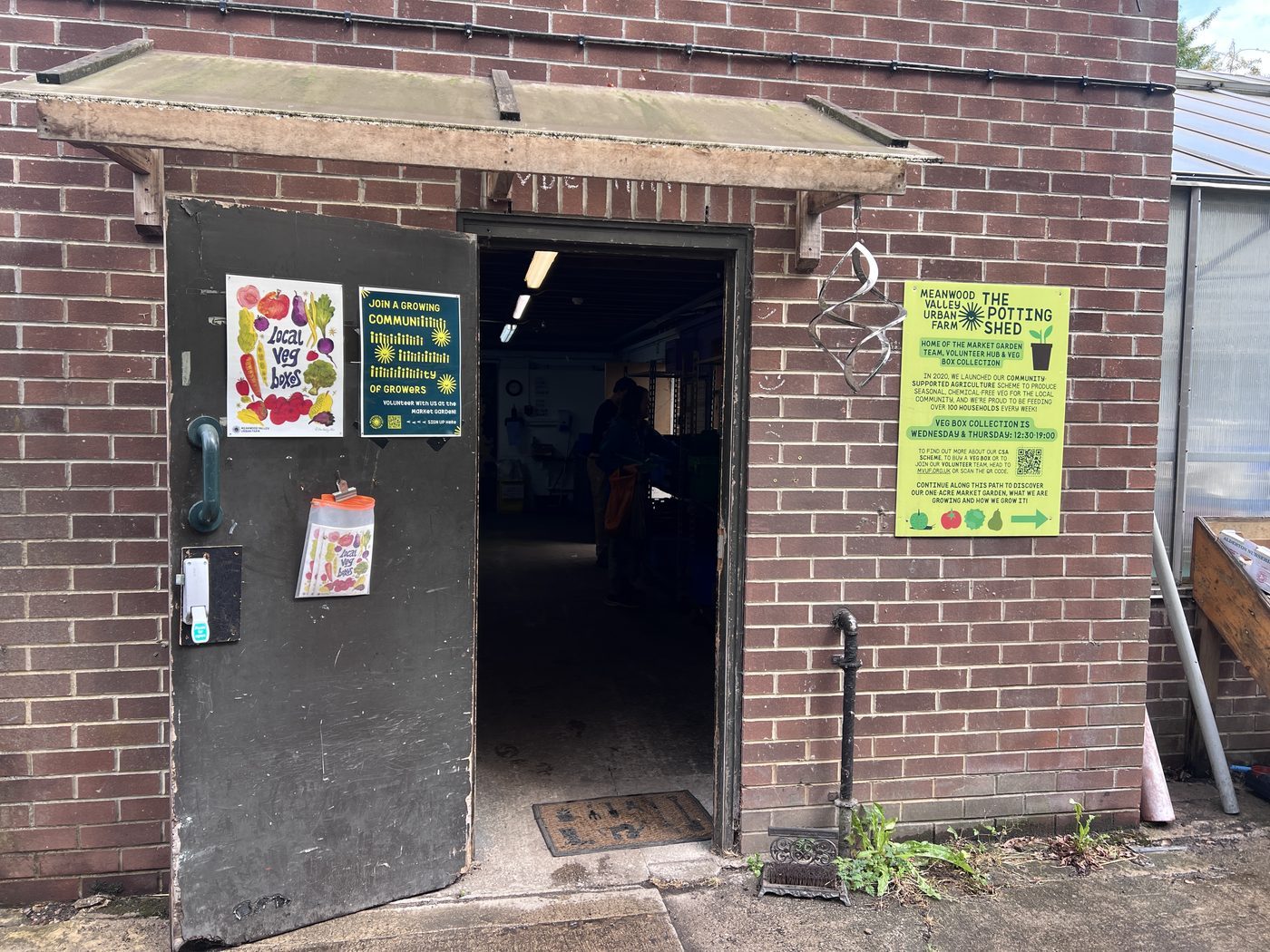
Meanwood Valley Urban Farm has been part of inner-city Leeds for decades, and it is a farm in the full sense: livestock, a farm shop, a café, school groups, and a gate onto one of the more surprising green spaces in the city. It is a registered charity, and its purpose is to cultivate community for and with adults with learning disabilities as much as it is to grow food.
The market garden sits inside that. Two of the farm’s twenty-six acres are given over to it, run by a small part-time team growing for local households, the farm shop and wholesale customers across the city — among them Leeds Community Bakery and the Rainbow Junktion café. A local brewery takes produce and pays in beer, which tells you something about how the place operates.
Ground built to the machine’s width
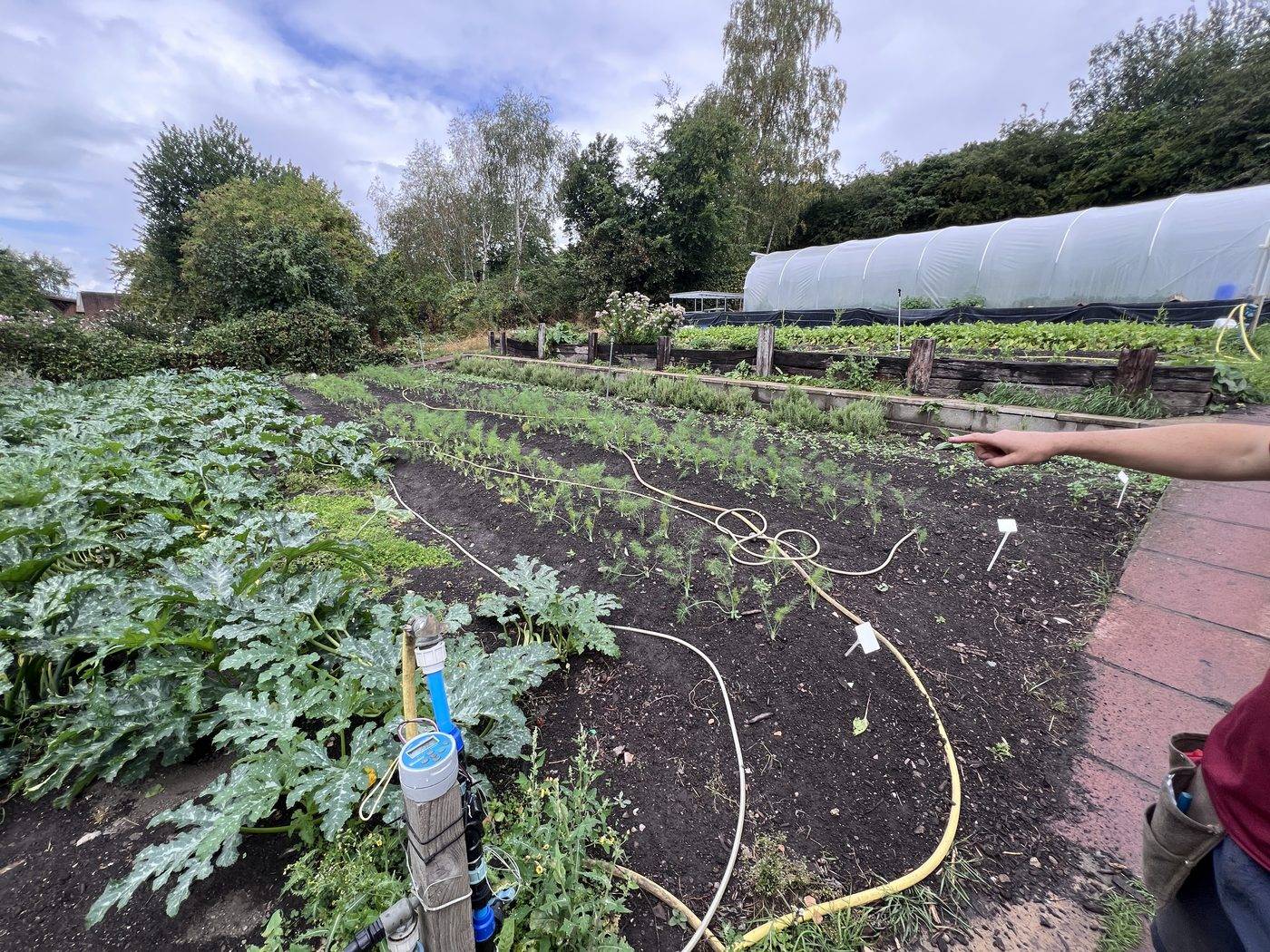
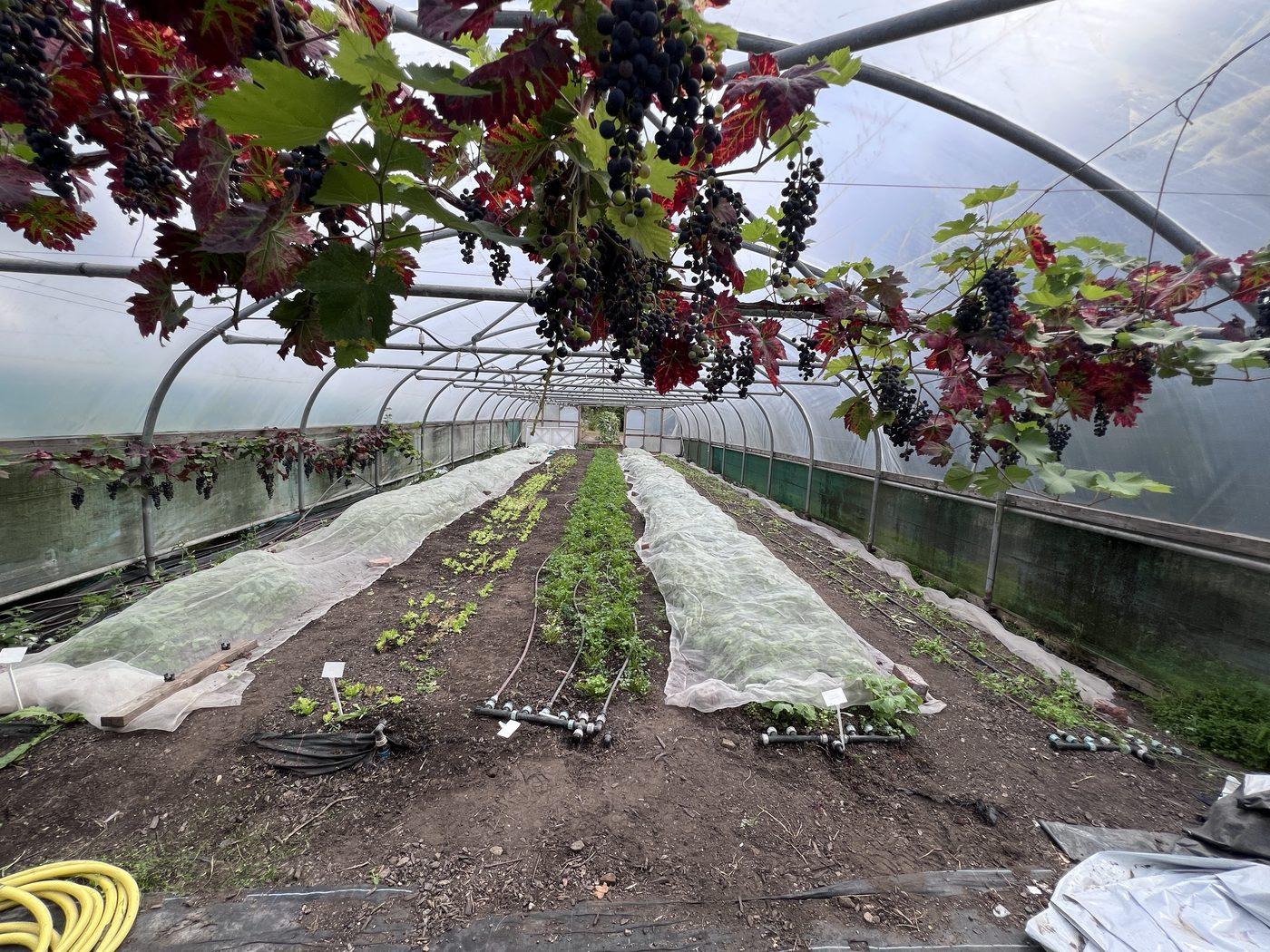
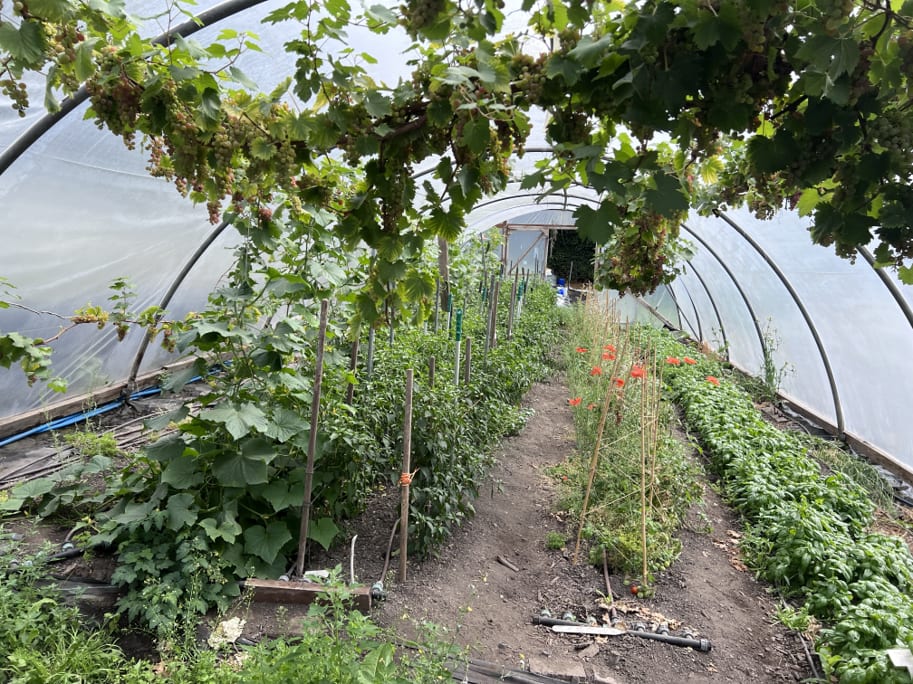
About eight tenths of an acre is in production as roughly a hundred and ten beds, and every one of them is seventy-five centimetres wide. That consistency is unusual, and it is almost exactly the working width of the AFT-e1 — so the bed-forming and cultivation tooling drops straight in, with no modification and no compromise on the bed layout the garden already runs.
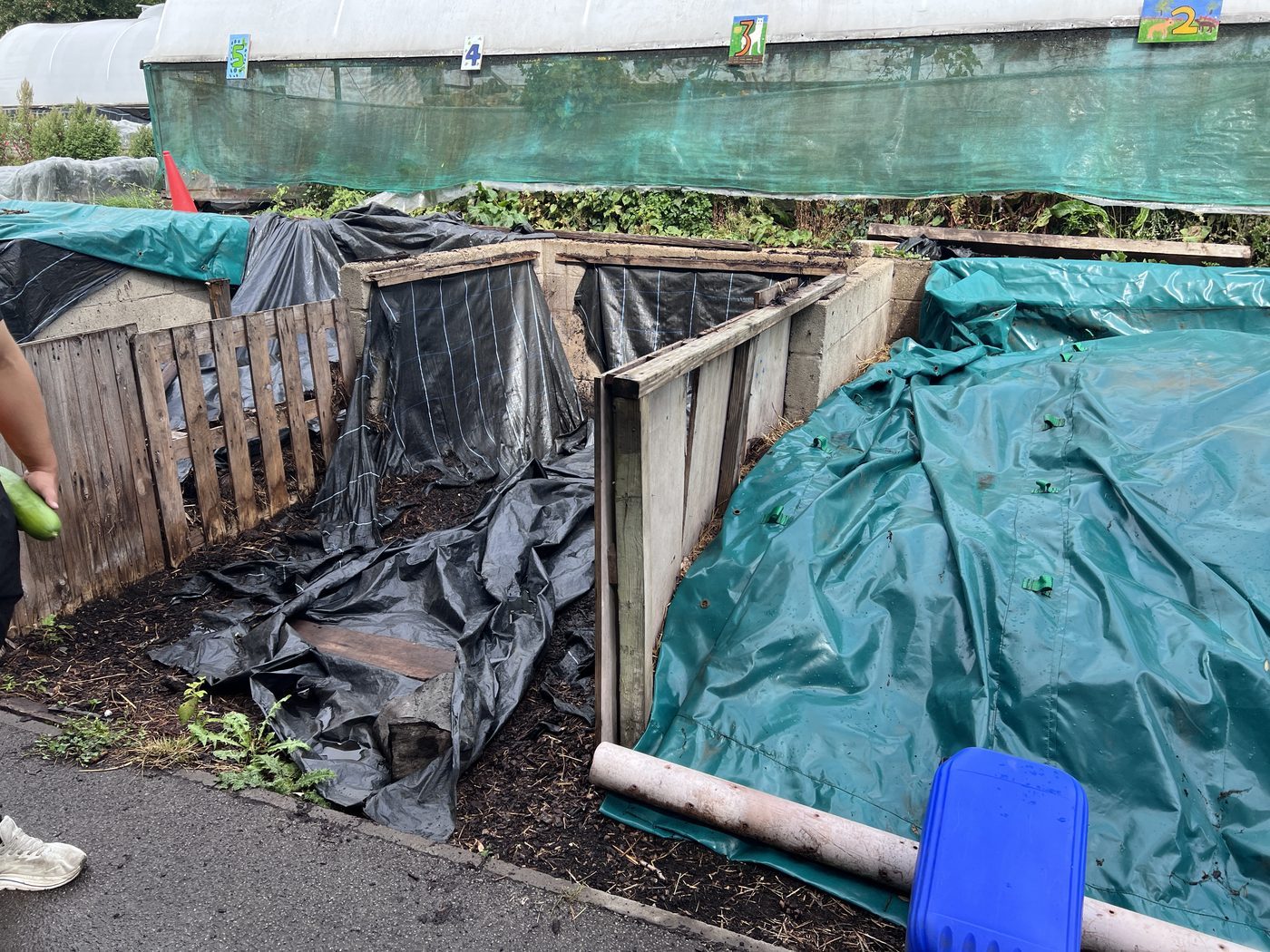
The beds are cut into a south-facing slope of about one in four, terraced across the contour. The growing is no-dig and organically certified: soil blocks rather than plastic pots, no chemical fertiliser, no pesticide. Nothing is bought in for fertility — animal bedding, garden waste and café waste all go into bays on site and come back out as the only input the garden uses.
The work that is done by hand
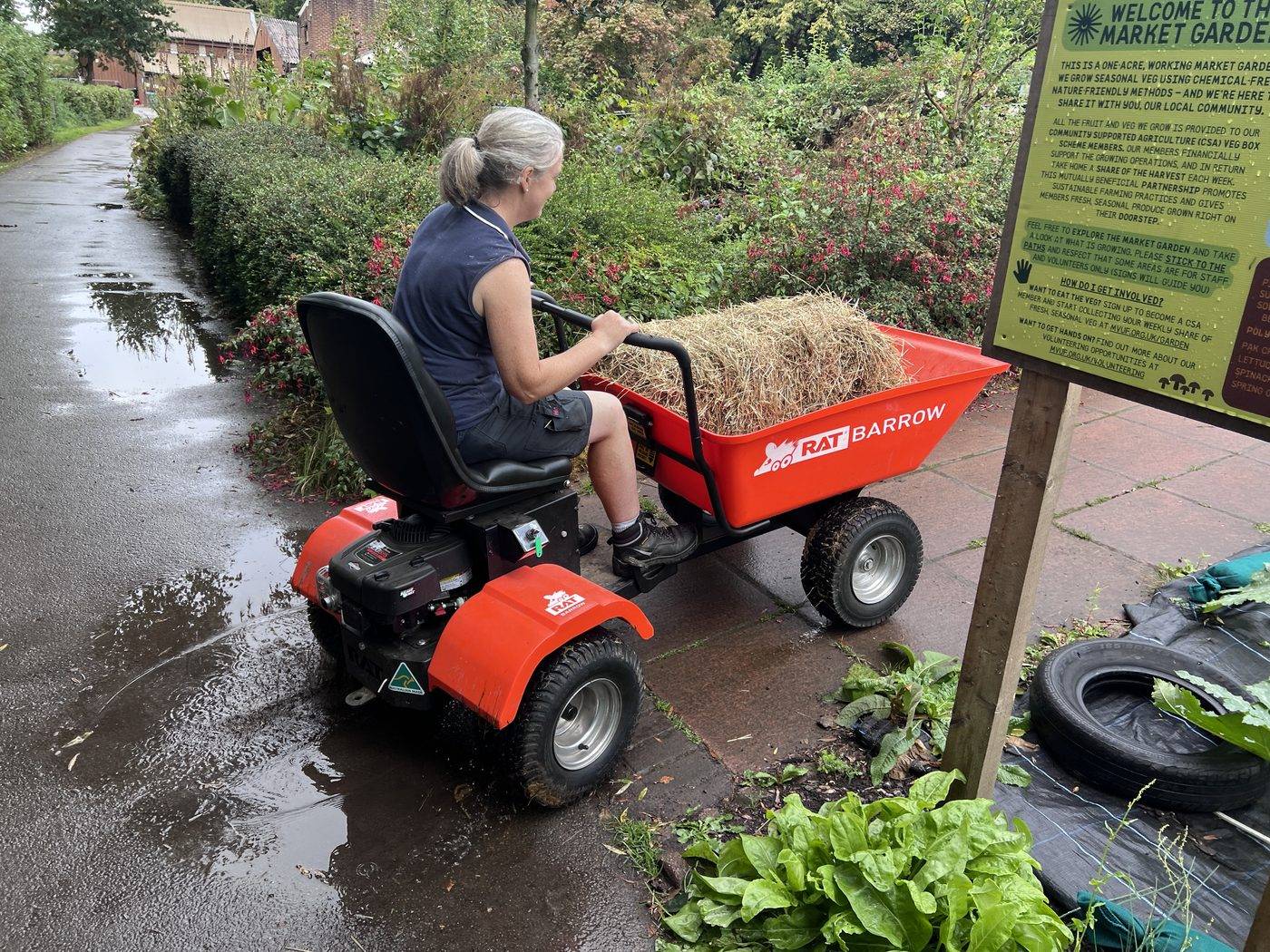
Asked what the market garden uses for power, the answer was wheelbarrows. The one exception is a petrol power barrow belonging to the wider farm, borrowed to move bales along the track — nothing that goes near a bed.
Three jobs came up unprompted, and all three are about moving weight. Turning the compost. Getting that compost back out over a hundred and ten beds, which happens once a year and takes a long fortnight. And carrying harvested crates from the far end of the garden to the packing area, currently on Dutch trolleys.
“We don’t have access to a tractor. This would be a game changer.”
Room to grow
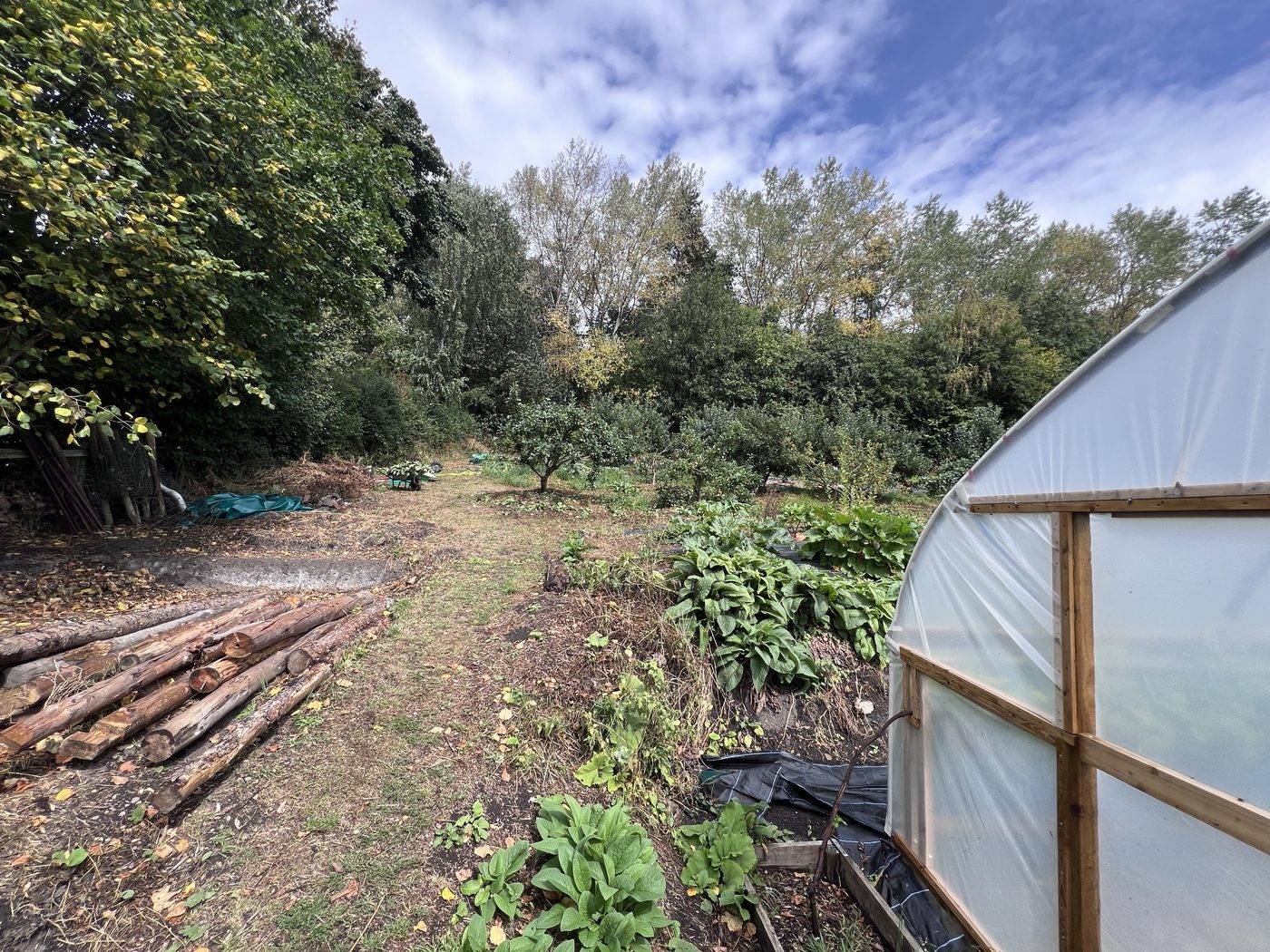
The most interesting thing about Meanwood is not the eight tenths of an acre that is planted. It is the acre and a bit that is not. Of the two acres set aside for the market garden, more than half is designated and waiting, some of it destined to become orchard.
It is unplanted for one reason: bringing new ground into production by hand, on a slope, while running the existing beds, is more than a part-time team can take on. That is what mechanising this site is actually for — not shaving time off jobs already being done, but making the garden bigger without making the team bigger.
“Use of the tractor would allow us to take on a bit more land quickly.”
Where it does not reach yet
Compost turning is the job the team would most like mechanised, and it is worth being straight about: there is no attachment for it in the range today, and a walk-behind machine may not be the right thing to build one onto.
The team also offered, unprompted, to pass the machine on to other small-scale growers they work with across the region. That was an easy yes. A tool that only ever works on one holding teaches you far less than one that gets passed around.
Aftrak is a recipient of funding through the DRIVE35 Mobilise competition, delivered by the Department for Business, Innovation, Science and Trade with the Advanced Propulsion Centre UK, Zenzic and Innovate UK. Site details from the visit of 19 August 2026.
mvuf.org.uk →